Physical Address
Bangladesh
Physical Address
Bangladesh

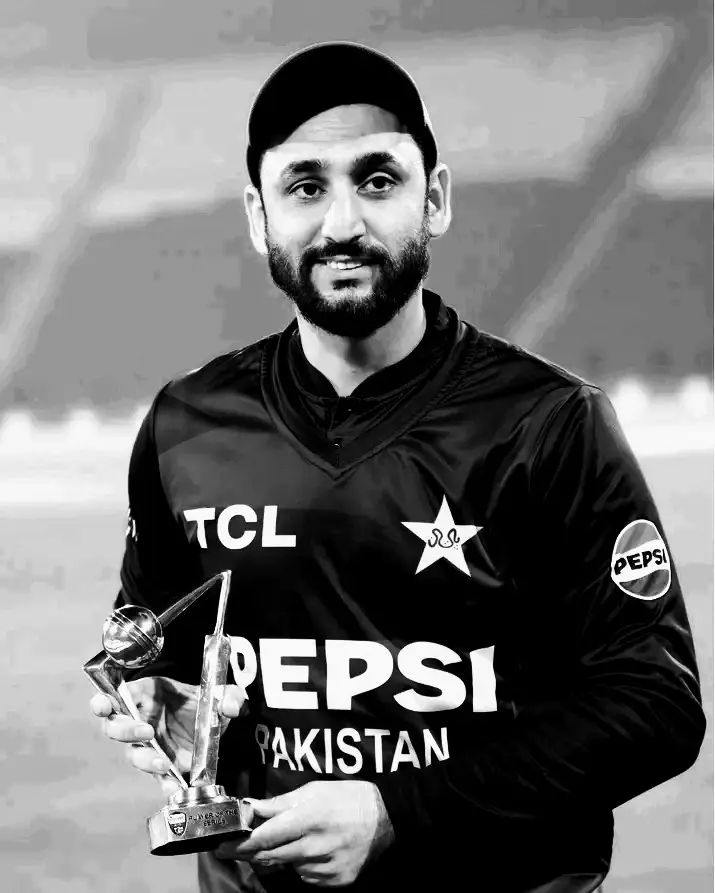
Pakistan Set to Play World Cup but Could Boycott High-Profile Clash Against India
The Pakistan cricket team is expected to take part in the upcoming ICC World Cup, but uncertainty looms over one of the tournament’s most anticipated fixtures — a potential showdown against arch-rivals India. Reports emerging from multiple sources suggest that Pakistan may refuse to play against India, even while remaining committed to the rest of the competition, citing ongoing political and administrative tensions between the two nations.
An India–Pakistan encounter is widely regarded as the biggest rivalry in world cricket, attracting hundreds of millions of viewers globally and generating massive commercial revenue. Any disruption to this fixture would not only impact the tournament schedule but also raise serious concerns for broadcasters, sponsors, and the International Cricket Council (ICC).
Background of the Tensions
Cricketing ties between India and Pakistan have long been affected by strained diplomatic relations. While the two teams regularly face each other in ICC events and Asia Cup tournaments, bilateral series have been suspended for more than a decade. Political disagreements, security concerns, and diplomatic standoffs have repeatedly spilled over into the sporting arena.
The latest speculation around a possible boycott comes amid renewed tensions surrounding tournament logistics, venue arrangements, and travel-related concerns. According to insiders, Pakistan’s cricket authorities are unhappy with certain conditions linked to the tournament and are reassessing their stance on playing India under the current circumstances.
PCB’s Position: Silence but Signals
As of now, the Pakistan Cricket Board (PCB) has not released an official statement confirming a boycott. However, senior PCB sources indicate that internal discussions are ongoing at the highest level. The board is reportedly weighing multiple options, including participating in the World Cup while refusing to take part in a match against India if their concerns are not addressed.
PCB officials are said to be seeking assurances regarding fairness, security, and respect for Pakistan’s position. While no final decision has been made public, the growing speculation has already sparked intense debate within the cricketing community.
ICC Closely Monitoring the Situation
The ICC finds itself in a delicate position. An India–Pakistan match is often the financial backbone of any major tournament, contributing significantly to broadcast revenues and global viewership figures. A boycott could force the ICC to consider alternative scheduling options or, in an extreme scenario, enforce disciplinary measures.
Under ICC regulations, refusal to play a scheduled match without valid justification could result in penalties, including fines or forfeiture of points. However, given the political sensitivity of the situation, any decision is likely to involve extensive negotiations rather than immediate punitive action.
Impact on the Tournament
The absence of an India–Pakistan match would significantly alter the dynamics of the World Cup. Fans across Asia, the Middle East, Europe, and North America eagerly await this clash, often considering it the highlight of the entire tournament.
From a sporting perspective, both teams stand to lose valuable competition experience. From a commercial standpoint, broadcasters and sponsors could face substantial losses. Industry experts estimate that an India–Pakistan match alone can generate tens of millions of dollars in advertising revenue.
Reaction from Former Players and Experts
Several former cricketers have weighed in on the issue, urging both boards and the ICC to prioritize cricket over politics. While acknowledging the complex realities involved, many believe that fans should not be deprived of one of the sport’s greatest spectacles.
Some analysts argue that Pakistan’s participation in the tournament without playing India could set a dangerous precedent, potentially encouraging other teams to adopt selective participation based on political considerations.
Others, however, support Pakistan’s right to take a firm stance, emphasizing that national boards must protect their interests and dignity, even in global tournaments.
India’s Response: Business as Usual
The Board of Control for Cricket in India (BCCI) has maintained a cautious approach, refraining from commenting directly on the reports. Indian officials have consistently stated that decisions regarding matches against Pakistan in ICC events are taken collectively by the ICC, not unilaterally by individual boards.
Sources close to the BCCI suggest that India is preparing for the tournament as scheduled and expects the ICC to ensure smooth conduct of all matches, including any potential clash with Pakistan.
Fans React on Social Media
Social media platforms have been flooded with reactions from fans on both sides of the border. While some express disappointment at the possibility of missing out on the iconic rivalry, others support their respective boards’ positions.
Hashtags related to the potential boycott have been trending, reflecting the global interest and emotional investment surrounding the issue. Many fans have called on the ICC to find a diplomatic solution that allows cricket to continue uninterrupted.
What Happens Next?
The coming weeks will be crucial. The ICC is expected to engage in discussions with both PCB and BCCI to seek clarity and prevent disruption to the tournament. A final decision from Pakistan is likely to depend on assurances provided by the governing body and any behind-the-scenes diplomatic developments.
Until an official announcement is made, uncertainty will continue to surround the fate of the India–Pakistan match. What remains clear, however, is that the situation has once again highlighted how deeply intertwined cricket and politics remain in the subcontinent.
Conclusion
Pakistan’s expected participation in the World Cup, coupled with the possibility of boycotting a match against India, has added a layer of intrigue and controversy to the tournament. As the cricketing world waits for clarity, the ICC faces the challenge of balancing sporting integrity, commercial interests, and geopolitical realities.
Whether the iconic rivalry will take place or be sidelined remains to be seen. For now, fans can only hope that dialogue prevails and the focus returns to the game itself — where it truly belongs.